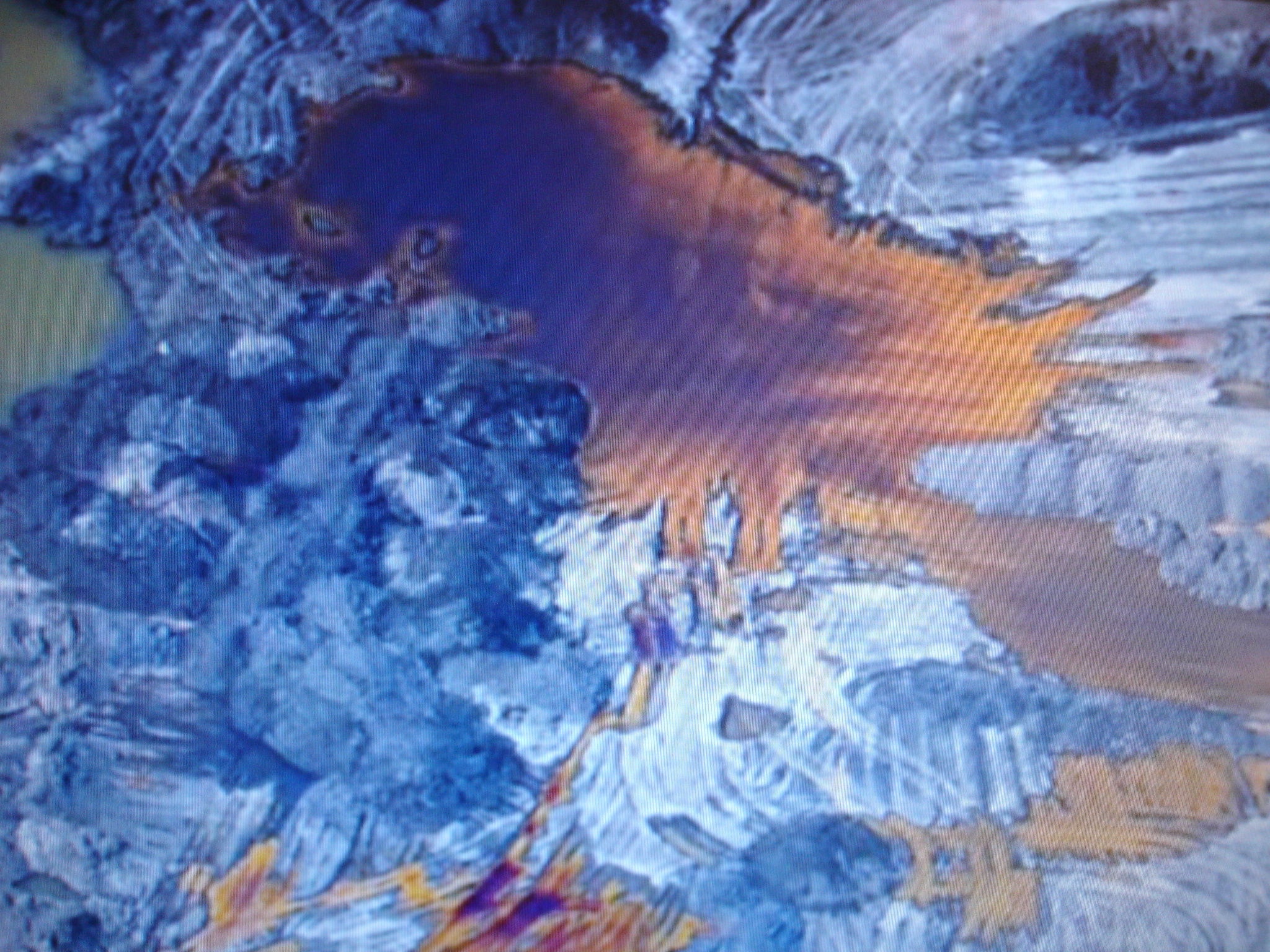
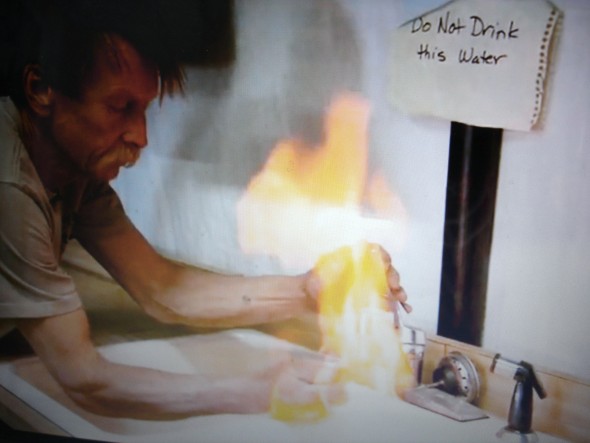
The environmental effects of hydraulic fracturing or “fracking” as a method for natural gas drilling investigated recently by ProPublica and displayed in the documentary film Gasland, have led to a nationwide backlash against this dangerous fossil fuel touted as a “clean burning alternative to oil.”
Energy
Finding innovative solutions to supplying efficient, clean, safe, renewable and reliable energy for electrical power, transportation, heating and cooling. We look at problems created from the addiction to dirty fossil fuel energy, mountaintop removal and ecosystem disruption, global climate change, severe air and water pollution, and community dislocation and pollution, Extreme methods such as hydraulic fracturing (fracking), tar sands, hydroelectric dams and other damaging methods and sources are examined.
World’s Dirtiest Oil – Alberta Tar Sands
The world’s dirtiest oil is produced by strip mining the Athabascan Tar Sands of Alberta, Canada, destroying an area of Northern Boreal forest and wetlands the size of Florida, with toxic settling ponds that pollute rivers fished by First Nations people, requiring pipelines to the Gulf Coast and hauling routes through the Northern Rocky Mountains.
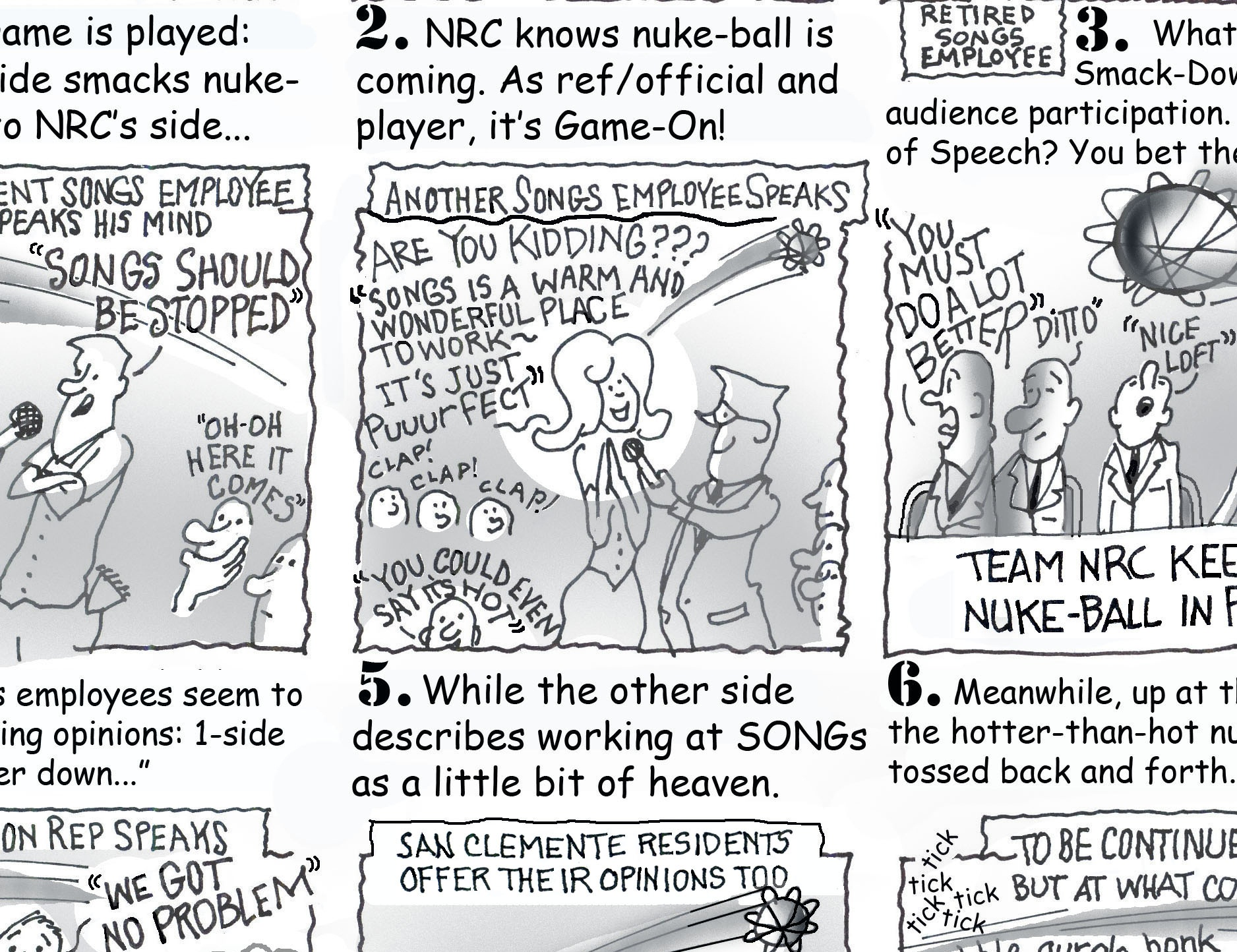
Nuclear Regulatory Smackdown at San Onofre
Precedent for closing San Onofre Nuke Plant: It’s age and human fallibility managing an outdated plant fast approaching its 2013 expiration date.
World Bank-Funded Biofuel Corporation Massacres Six Honduran Campesinos – By Annie Bird
Security from World Bank-funded biofuel corporation Dinant massacred legally land-titled Honduran campesinos, casting a shadow on international climate change initiatives.