

 In this EcoJustice Radio episode, in honor of the amazing 2025 show at SACO Contemporary Art Biennial on the coast of the Atacama Desert in Northern Chile, Jack Eidt engages with artist Salomé Restrepo as she shares her insights on migration, cultural identity, and the role of art in addressing social issues. The SACO show’s theme, Dark Ecosystems, highlights the link between art and science. Through her powerful experiences in Colombia and Chile, Salomé explores how art can serve as a vehicle for dialogue and change, shedding light on the complexities of displacement and human resilience. Join us for an inspiring discussion that challenges perceptions and highlights the importance of empathy in understanding the migrant experience.
 As little as $5 a month goes a long way toward supporting our production staff all year while keeping us corporate-free. Become an EcoJustice Radio patron today.
Subscribe to EcoJustice Radio:






Dark Ecosystems: The Intersection of Art and Migration
Salomé’s journey begins with her exploration of why individuals migrate. She articulates the myriad reasons people leave their homes, ranging from violence and economic instability to the pursuit of better opportunities. Through her artistic lens, she invites us to see beyond the statistics and recognize the humanity of migrants. She believes that art can touch the sensitive parts of our society, revealing the stories behind the headlines.
Throughout the episode, we discuss the concept of “migrant ecosystems,” which Salomé describes as communities formed by those who have been displaced. These ecosystems are not only about survival but also about resilience and creativity. She shares her insights on how migrants create homes in unfamiliar places, often building structures from the ground up, reflecting their determination and hope.
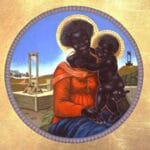
STORY: Revolutionary Icons: The Power of Black Madonnas and Folk Saints with Artist Mark Steven Greenfield

Support the Podcast via PayPal: SoCal 350 PayPal
Art, according to Salomé, has the potential to shift perspectives and challenge societal norms. She discusses her work at the SACO Contemporary Art Biennial in Chile, where she engaged with local communities to create art that resonates with their experiences. This collaborative approach underscores her belief that art should be an experience that connects people and encourages empathy.
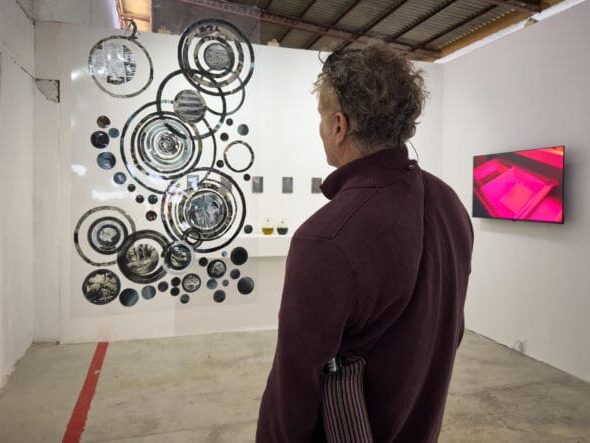
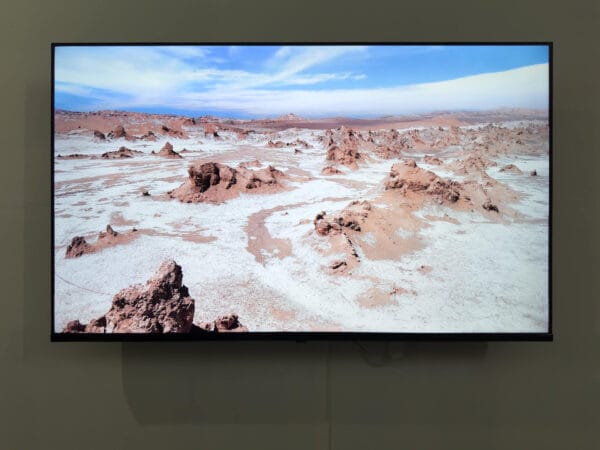
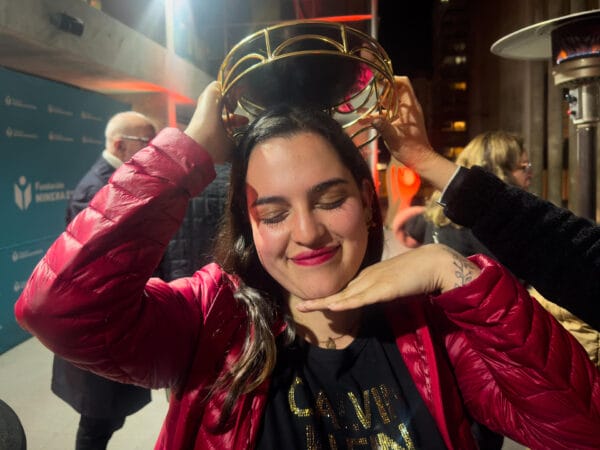
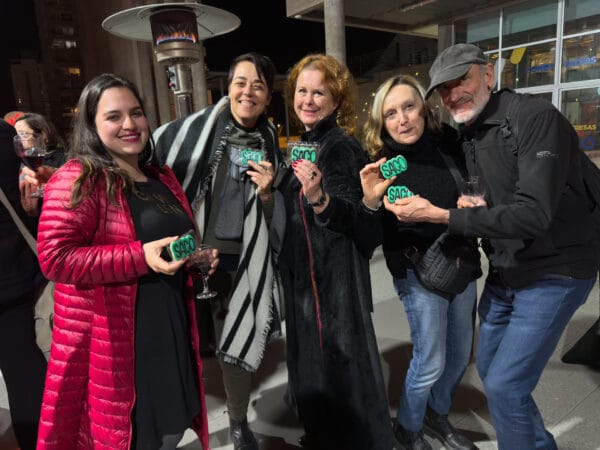
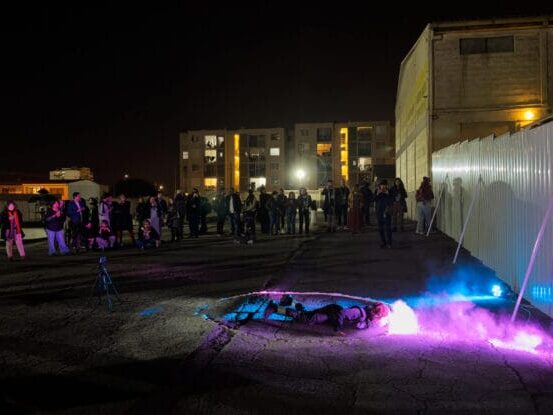
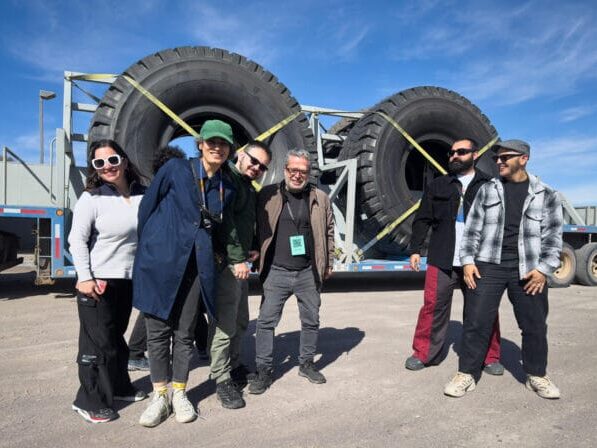
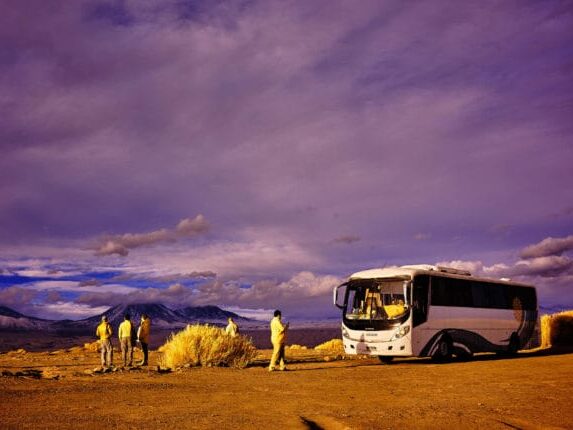

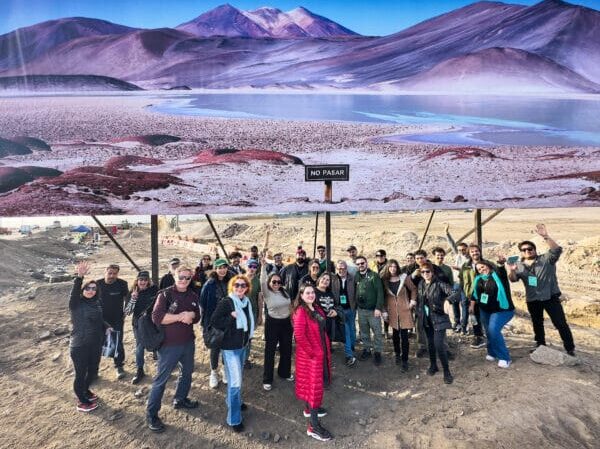
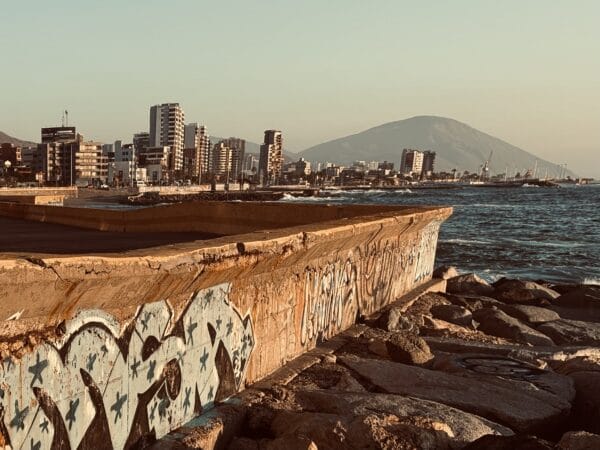


The Atacama Desert is the quintessential extreme place. So extreme, in fact, that almost two hundred years ago Charles Darwin asserted that no life could possibly exist there. The German naturalist Rodolfo Philippi, who lived in Chile, confirmed this a few years later, defining the mining destiny of those endless, empty, rocky plains. If the limiting parameters for life established half a century ago were true, the process of evolution would probably never have begun. For several generations of scientists, their faith in the senses was a misstep. They thought that what they saw was all there was, that the existence of something more, hidden beneath the surface, was simply impossible.
It was only about two decades ago that interest in the “dark biosphere” emerged—the microorganisms of the subsurface that defy any theory about what life can withstand. There, polyextremophiles appeared, champions of endurance, who thrive in the sterile walls of spacecraft and are ready to travel to Mars for a speculative encounter with their peers. A product of the many extreme conditions of space, it is precisely these beings that we hope to find there.
-Excerpt: Dark Ecosystems Curatorial Text
Original idea: Dagmara Wyskiel
Editing: Carlos Rendón
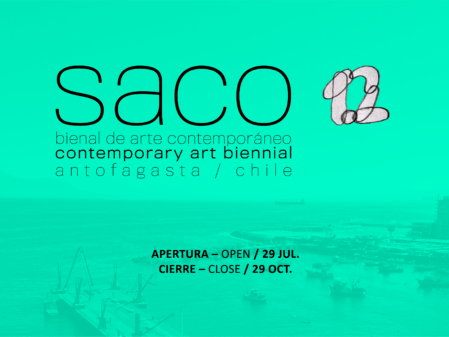
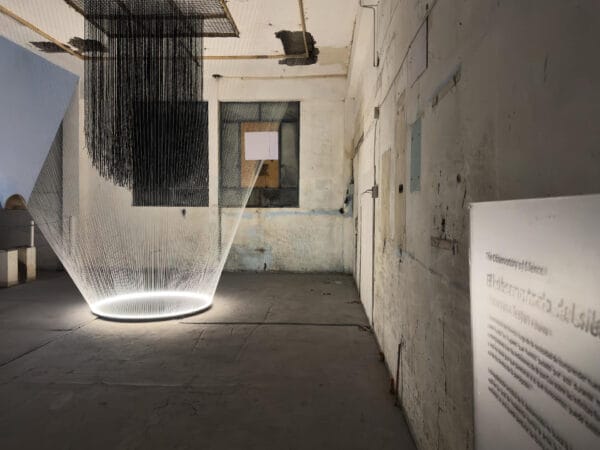
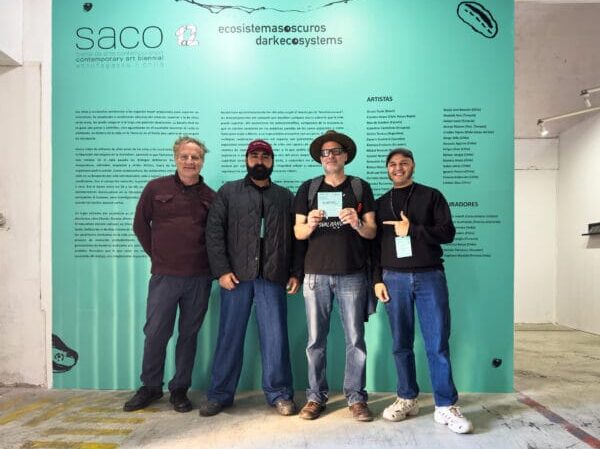
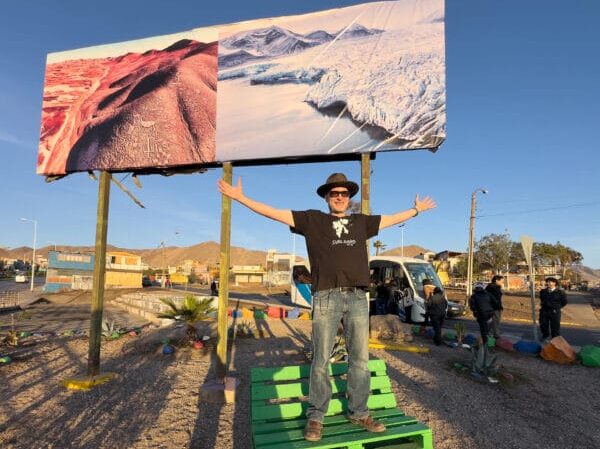
Salomé showed her work at the Bienal SACO with her piece Migrant Ecosystems, thematically connected to the Dark Ecosystems title of the show. Taking place in the world’s driest desert, the exhibition emphasized the connection between art and science, seeking to showcase contemporary artworks in spaces all over the city of Antofagasta.
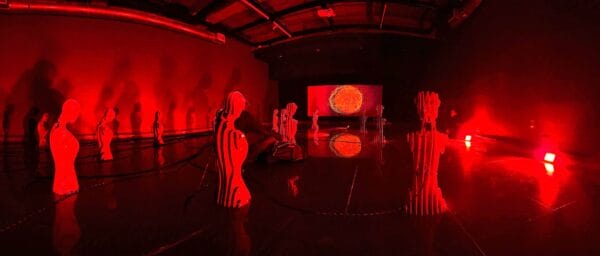
Bienal SACO 1.2 – Curator: Dagmara Wyskiel – Antofagasta, Chile – 2025 – Photo: Osceola Refetoff
The show, presented in a region whose economy is dedicated almost exclusively to mining of rare earth minerals like copper and lithium, celebrates what they call the “dark biosphere,” which may include subsurface microorganisms that defy any theory about what life can endure. Yet this Dark Biosphere can be interpreted as the multitude of ways that people and communities can survive and thrive in this most inhospitable desert.
STORY: Green Extractivism: Can Our Deserts Survive Our Thirst for Lithium?

Residencia Isidora Correa y Pedro Donoso (Chile) – Bienal SACO 2024
The Bienal SACO featured artists from all over Latin America, Europe, North America, and Asia.
For an extended interview and other benefits, become an EcoJustice Radio patron at https://www.patreon.com/ecojusticeradio
As we navigate the complexities of migration and the role of art in social change, Salomé’s insights remind us of the importance of recognizing our shared humanity. Her passion for using art as a catalyst for dialogue and understanding is both inspiring and necessary in today’s world.
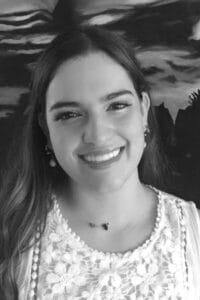 Salomé Restrepo [https://salomerestrepo10.wixsite.com/portafolio/en] from Bogotá, Colombia has a Master of Fine Arts and Master of Peace Education from the District University of Bogotá. Her work addresses gender, migration, and memory, with projects such as The Body as a Territory for Peace. She has taught at the Surcolombian University and INCCA University, in addition to co-directing the cultural platform Culture in Route. She was the education coordinator at the Sala de Arte Bancolombia and has developed educational projects for trainers in museums and cultural spaces. Her work has been exhibited in Colombia, Chile, and soon in the United States. She is featured in the 2025 SACO Contemporary Art Bienal with her piece Migratory Ecosystems.
Jack Eidt is an urban planner, environmental journalist, and climate organizer, as well as award-winning fiction writer. He is Co-Founder of SoCal 350 Climate Action and Executive Producer of EcoJustice Radio. He writes a column on PBS SoCal called High & Dry [https://www.pbssocal.org/people/high-dry]. He is also Founder and Publisher of WilderUtopia [https://wilderutopia.com], a website dedicated to the question of Earth sustainability, finding society-level solutions to environmental, community, economic, transportation and energy needs.
Podcast Website: http://ecojusticeradio.org/
Podcast Blog: https://www.wilderutopia.com/category/ecojustice-radio/
Support the Podcast: Patreon https://www.patreon.com/ecojusticeradio
PayPal https://www.paypal.com/donate/?hosted_button_id=LBGXTRM292TFC&source=url
Executive Producer and Host: Jack Eidt
Engineer and Original Music: Blake Quake Beats
Episode 265
Updated 3 December 2025


Pingback: Revolutionary Icons and Folk Saints: Artist Mark Steven Greenfield - WilderUtopia